
Performances / Szigligeti Company / 2026-2027
Paul Everac
Everything in the Wardrobe!
A play in two acts
Translated by:: Béla Nagy
“Paul Everac’s two-act play Everything in the Wardrobe! critiques the obsessive pursuit of wealth and material possessions at all costs. It examines the mindset of those people whose sole purpose in life is accumulating apartments, cars, vacation homes, crystals, and luxurious furnishings—hoarding without moral constraints, trampling over everything and everyone in their path. For generations, families continue to amass treasures in never-used rooms, without ever truly enjoying anything life. The play dismantles the moral corruption that justifies such relentless accumulation.
In Vilmos Varga’s direction, the realistic plot is given a deeper, more expansive interpretation. The material roots, which cause the trauma of of ambition, careerism, bribery, and even prostitution are exposed, while the moral consequences—sin and atonement—are devastating. Paula, the protagonist, relives in a nightmarish vision the way she resolved the unpaid installment on an expensive wardrobe. In this staging, the wardrobe serves as a powerful symbol—not only a treasure chest for material goods but also a coffin, a strikingly composed dream-like image of Paula's departure.” (Mózer István, Vörös Lobogó)
"Can a wardrobe be the meaning of life? Can its possession fill two people’s hearts and minds? The play follows the devaluation of values, portraying objects that lose their original purpose and instead become symbols of human ambition. In this case, a costly antique wardrobe takes center stage, representing social aspirations, human struggles, and defines a societal phenomena. As a symbol of nouveau riche mentality, the wardrobe dominates the stage, shaping the behavior, character, and emotions of those surrounding it. Like a massive trap, it ensnares a young couple eager to climb the social ladder, luring them away from honest success with promises of an elite lifestyle and social status. The meaning of our life may be a closet, we may enjoy with apparent impunity the riches of cowardice, servilism or even corruption, but life passes and when we look back from the moment of death, there is only a dark void behind us. An empty life..." (Stanik István, Fáklya)
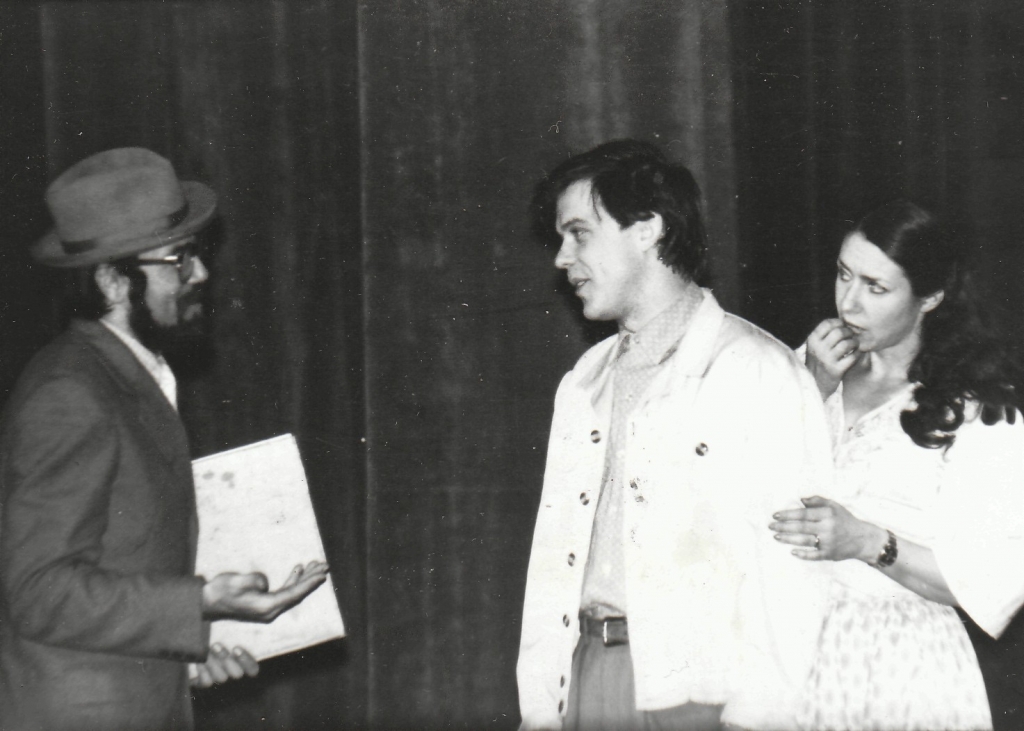
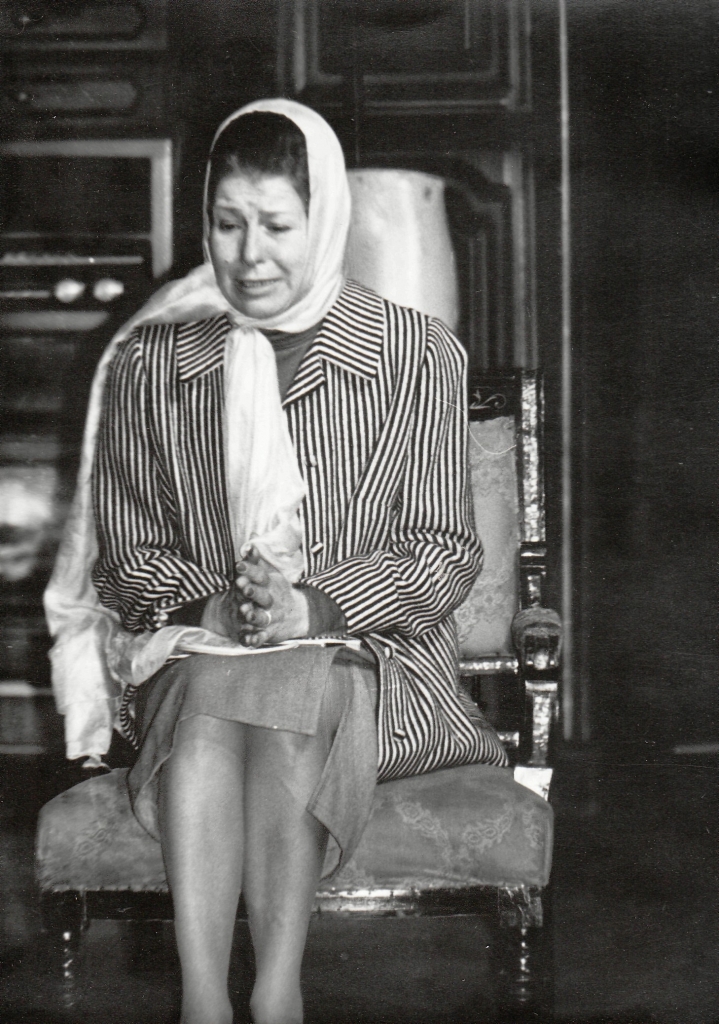
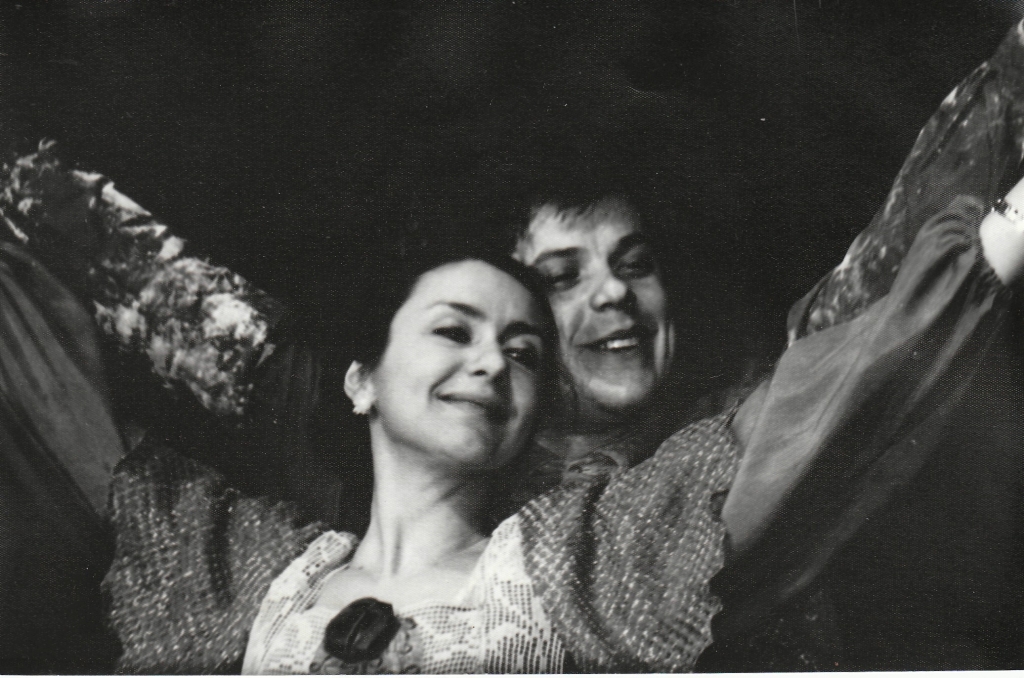
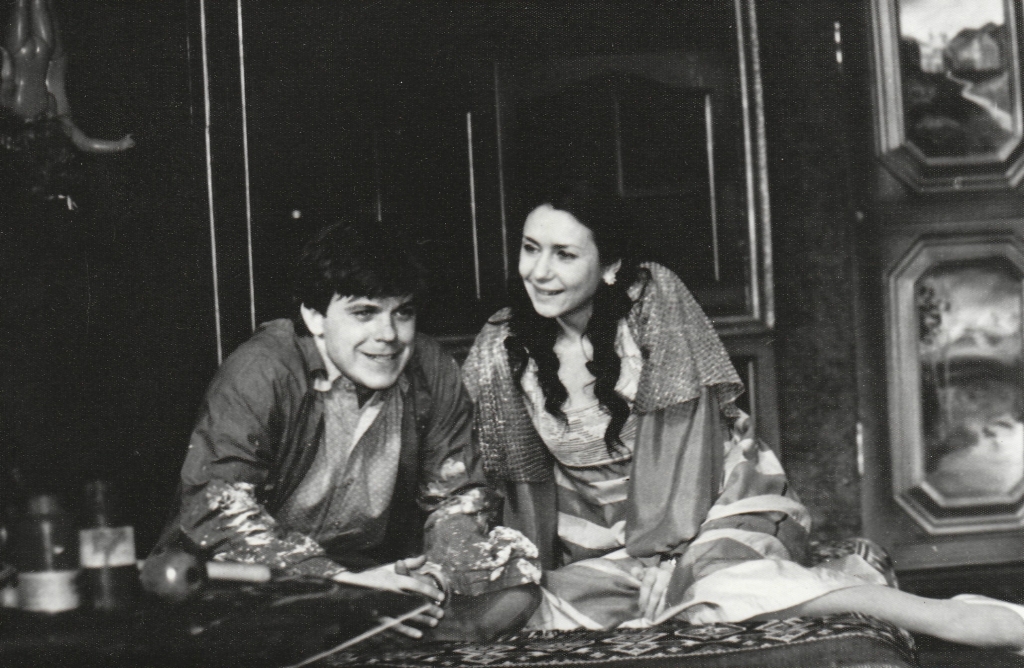
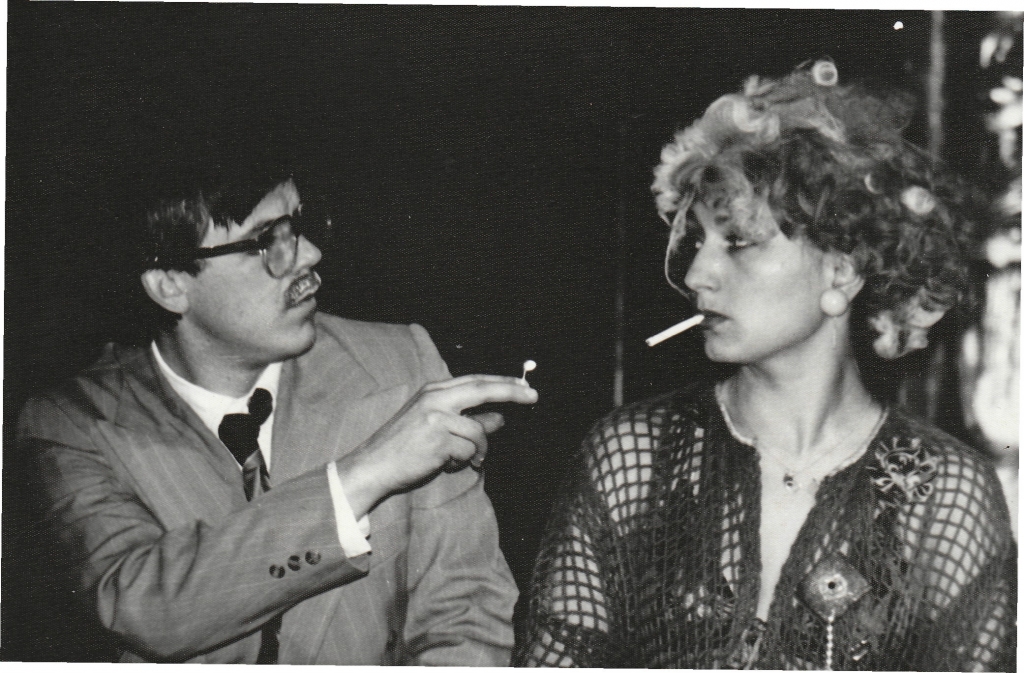
Cast of characters:
0:
0:
0:
0:
0: