Performances / Szigligeti Company / 2026-2027
Ödön von Horváth
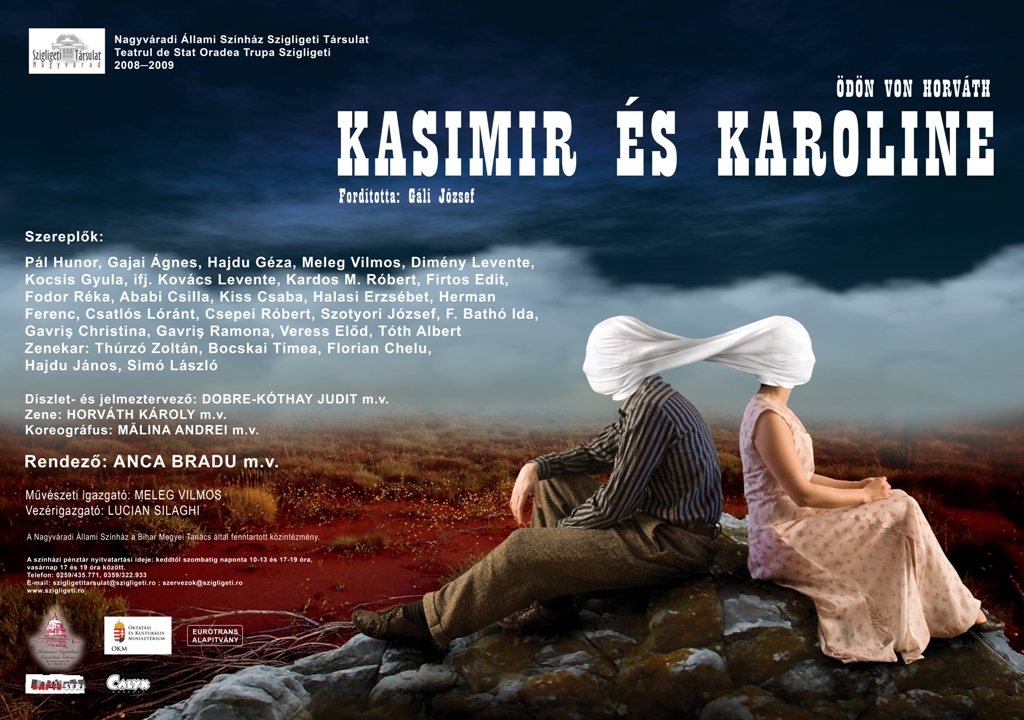
Kasimir and Karoline
folk play
Translated by:: József Gáli
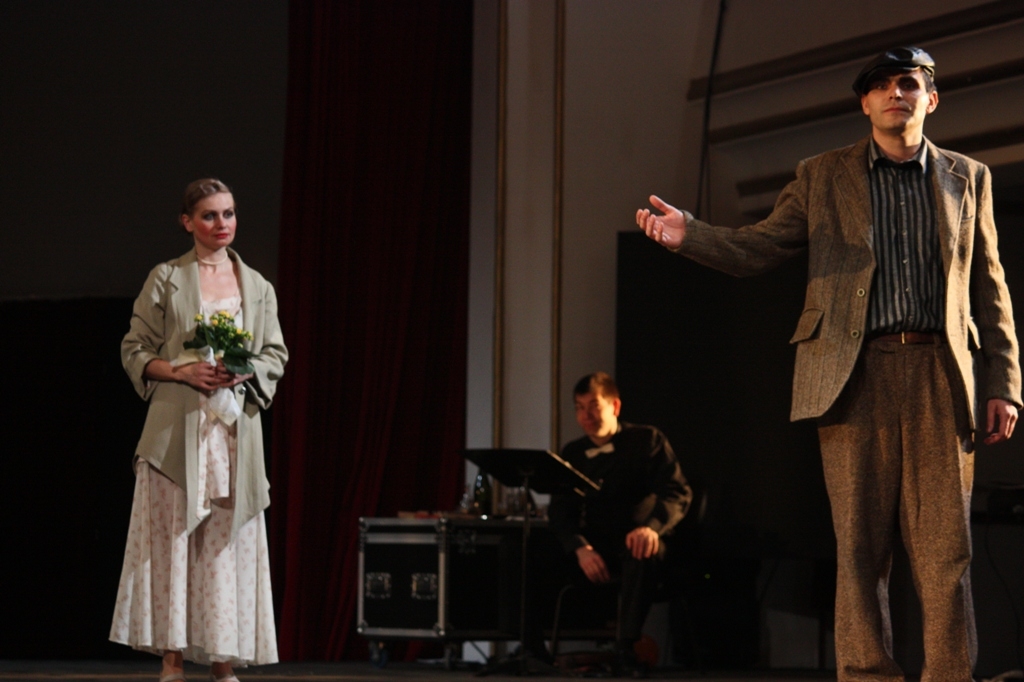
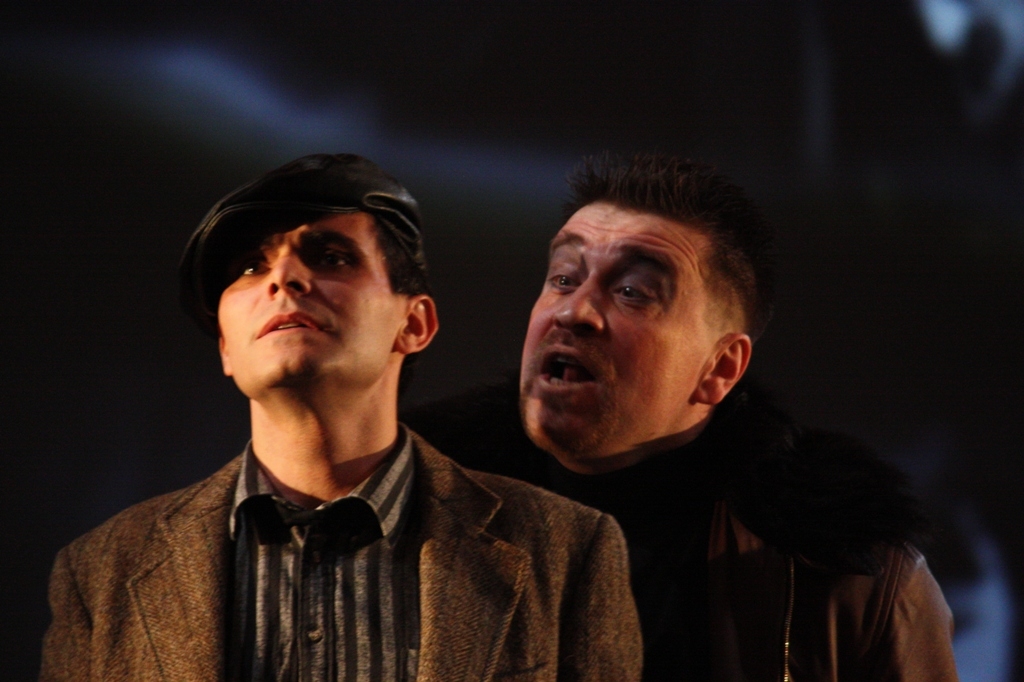
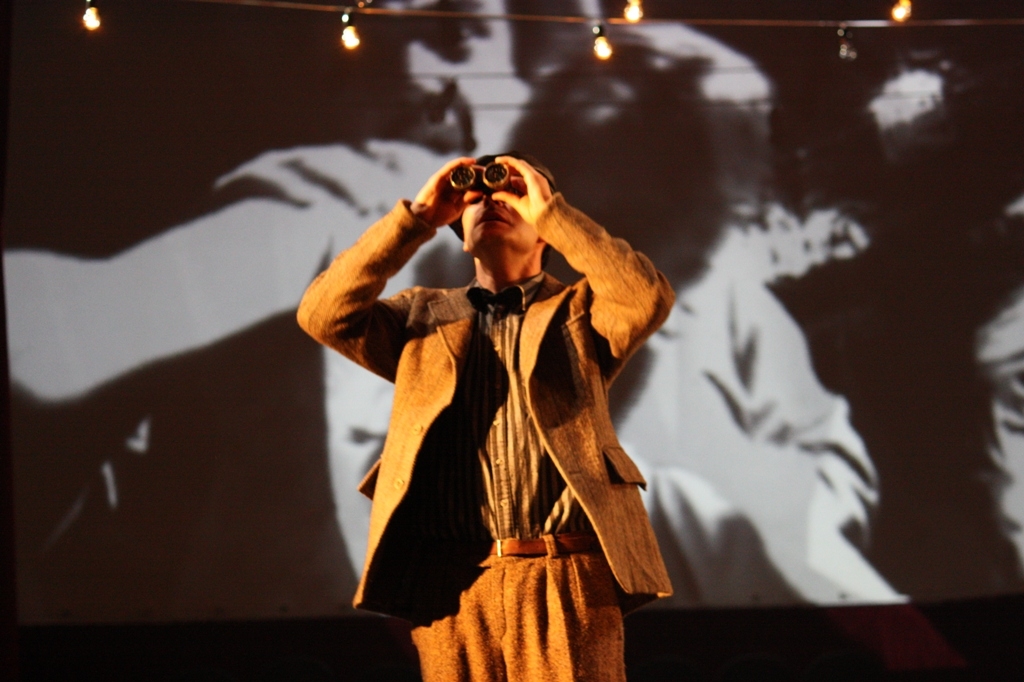
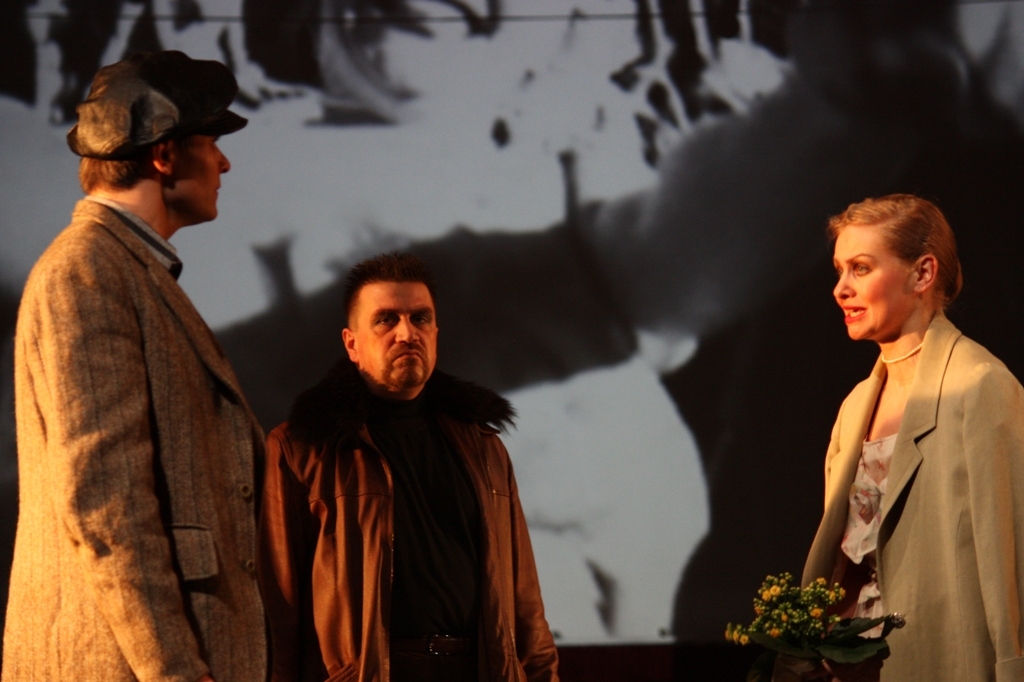
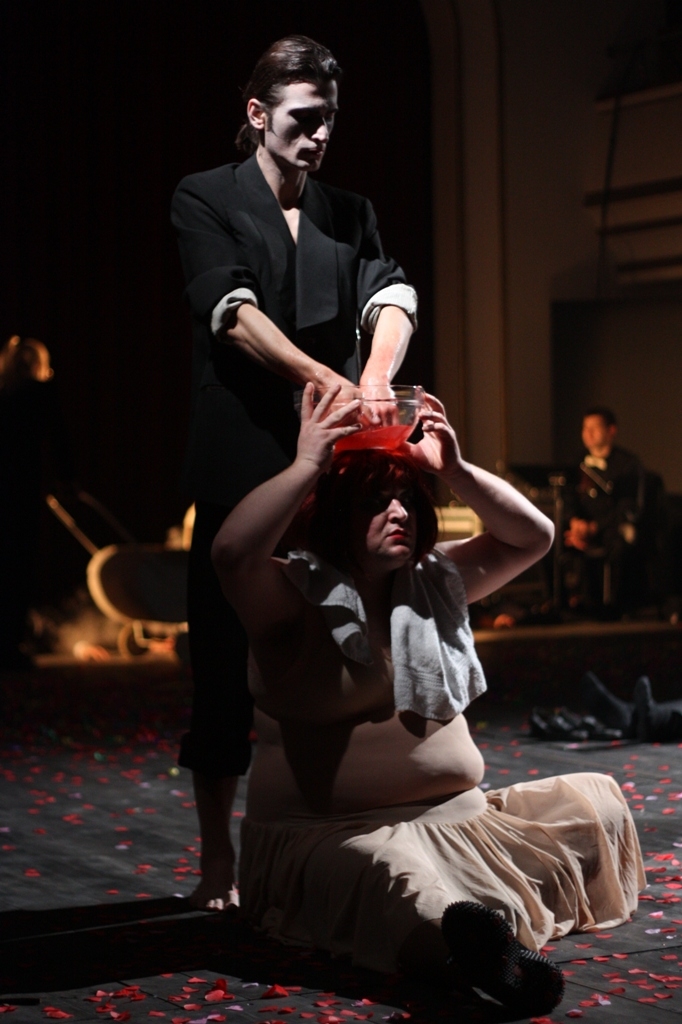
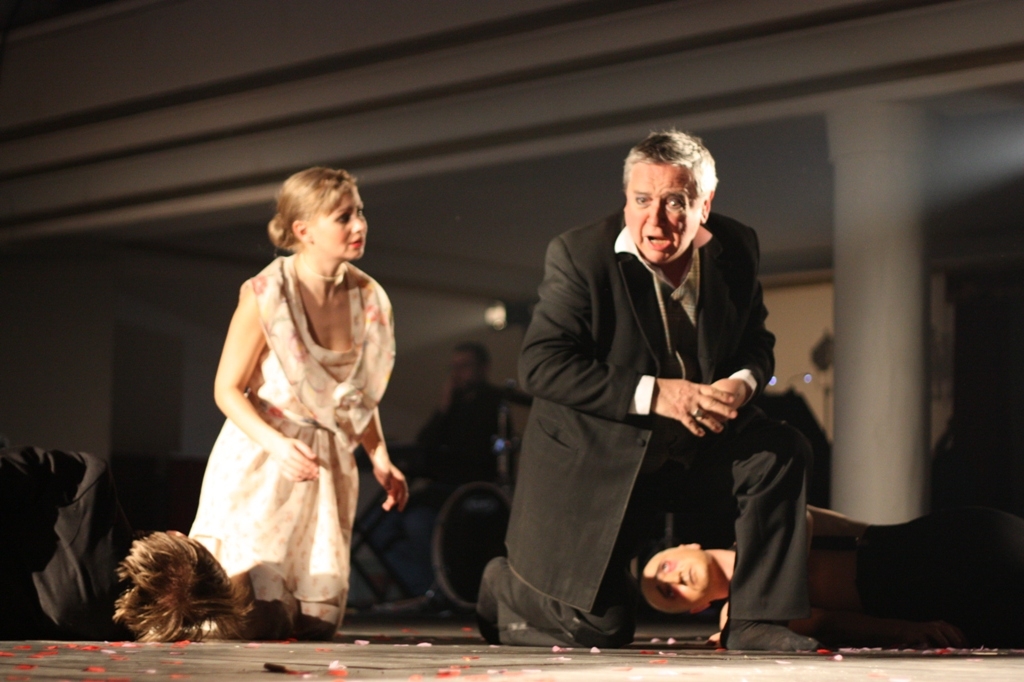
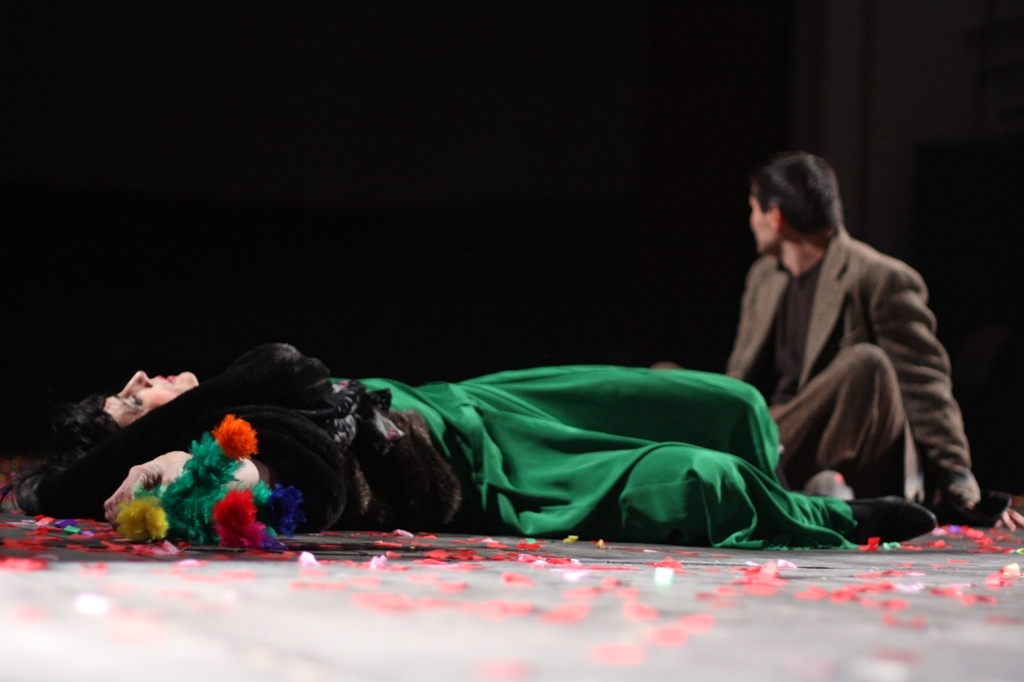
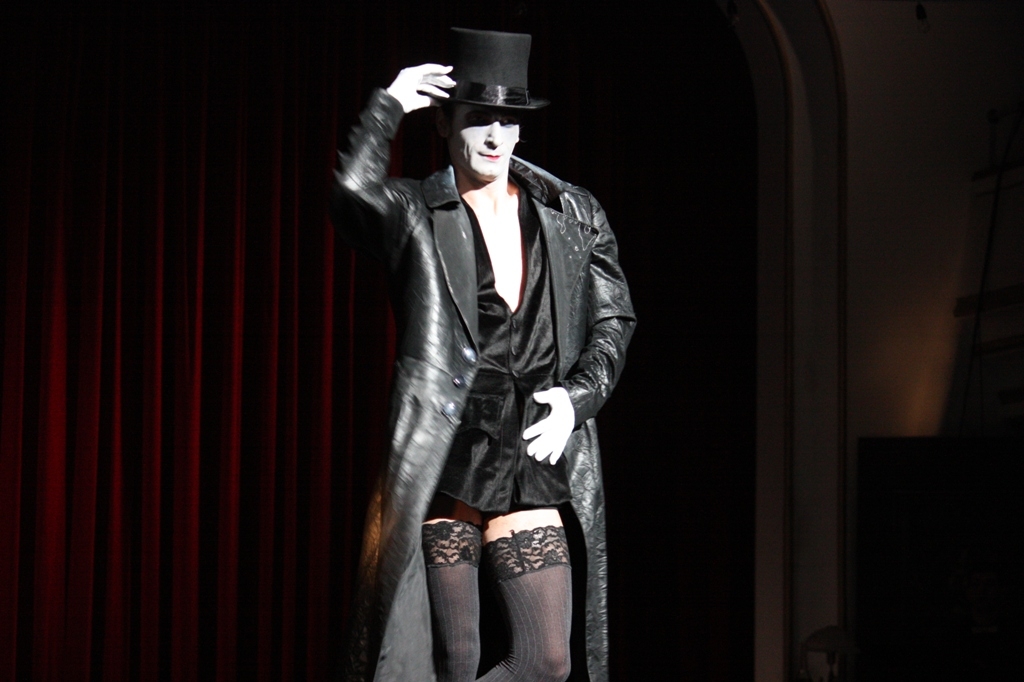
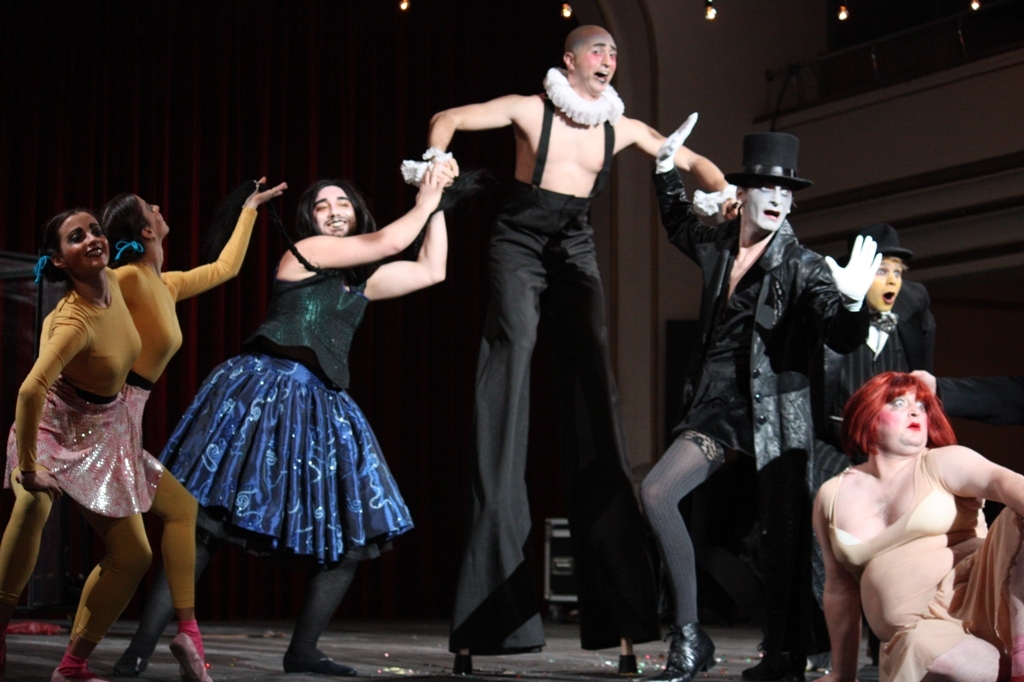
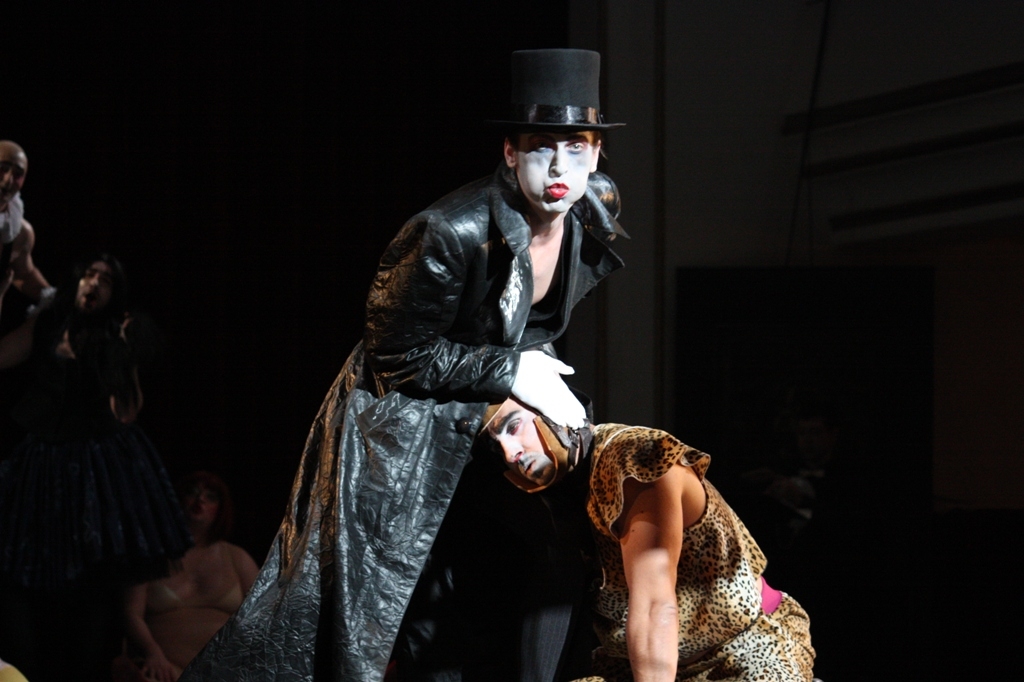
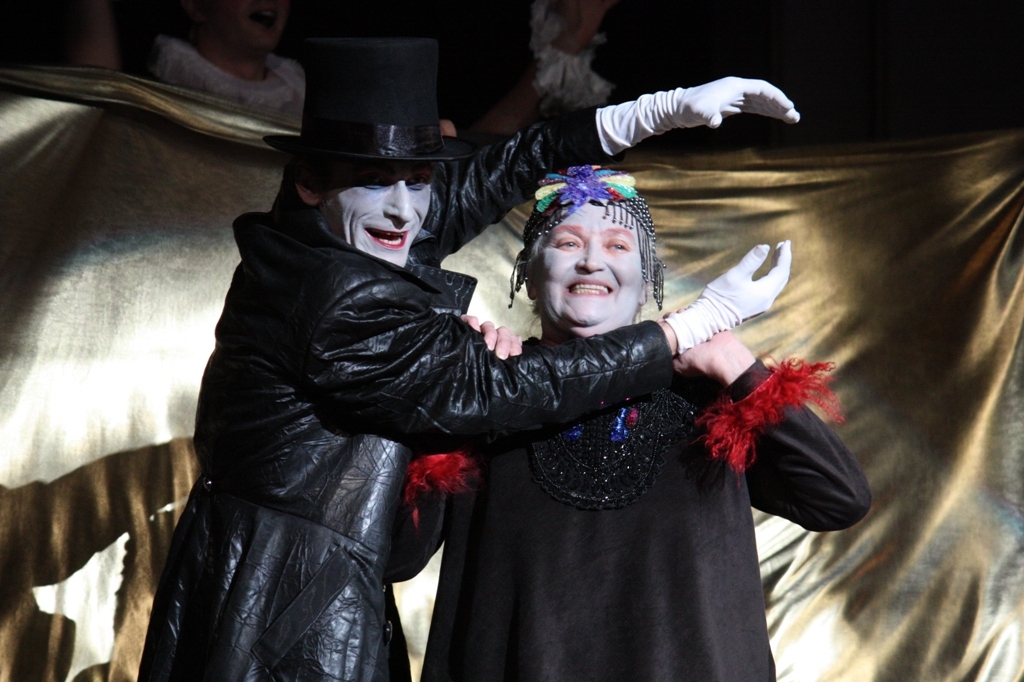
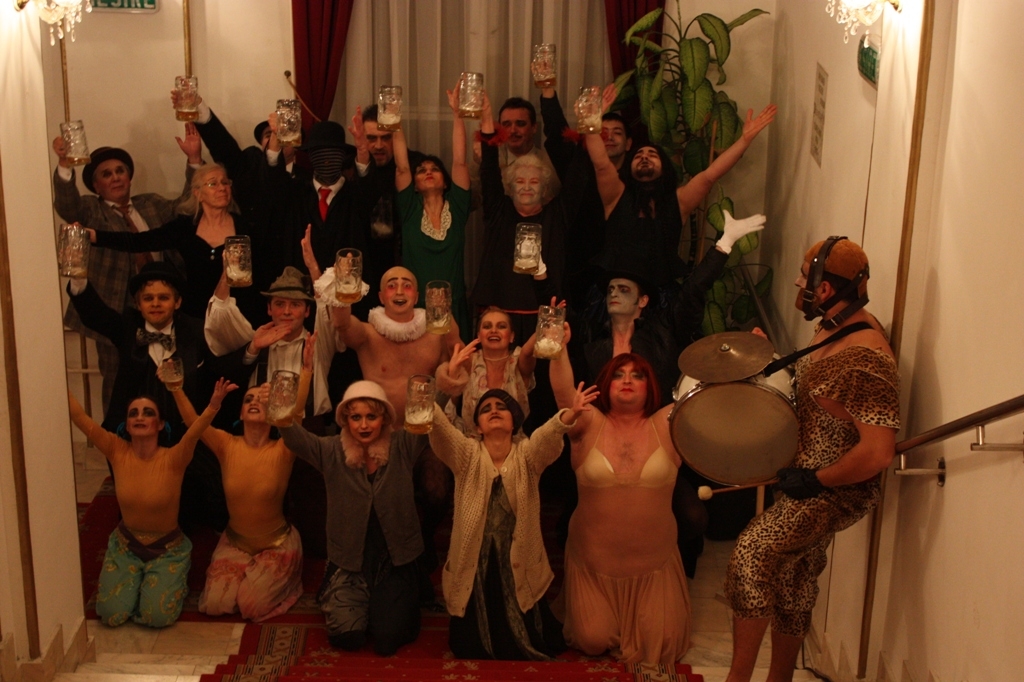
München, Oktoberfest, 1932. Kasimir and Karoline, along with the people gathered for the Oktoberfest, are distracted by the Zeppelin that flies overhead to entertain them; those seeking a spooky experience can find freaks and strange creatures in the stunt booth. The imperatives of entertainment, of the pursuit of knowledge, are intensified in a world where the horrors of (economic) crisis, insecurity, unemployment and impoverishment loom. The insatiable desire for a better life and the fear of decadence is a social phenomenon: everyone from the trade counsellor to the tailor Schürzinger to Franz Szemes, who lives by stealing, even Kasimir's friend, is affected. Ödön von Horvath depicts their drift towards inevitable failure with dry humour.
Insecurity and petty existential fear also test the love between Kasimir and Karoline: she longs for pleasure and carelessness, while Kasimir reacts with suspicion and resentment...
Ödön von Horvath
Born in 1901 in Fiume, his father was an Austro-Hungarian diplomat. He changed his language of study four times. He studied in a different city almost every year, but his mother tongue was German, although by his admission, he did not speak any language very well.
In 1926, his plays The Mountain Railway, Around Congress, Italian Night, and Tales from the Vienna Woods were performed in the Weimar Republic.
In 1932, his folk play, Kasimir and Caroline, was heavily criticised by his opponents. Still, it was a great literary triumph: he was awarded the Kleist Prize, the most prestigious literary award in Germany at the time.
In 2001, the Szigligeti Company premiered his play Tales from the Vienna Woods.
In his work, he broke down the strict framework of the drama and replaced it with a loose relationship between images. Instead of the classic staged drama, he has created episodic drama, with a touch of grotesque comedy. Like Brecht and Dürrenmatt, he sought to engage and activate the audience, reconciling reaction with detachment. He was primarily based on the traditions of Viennese folk theatre and did not forget to infuse his message with music, hits, and folk songs. He fought against two things throughout his life: stupidity and lies.
Synopsis translated by: Vivien-Tamara Sárközi
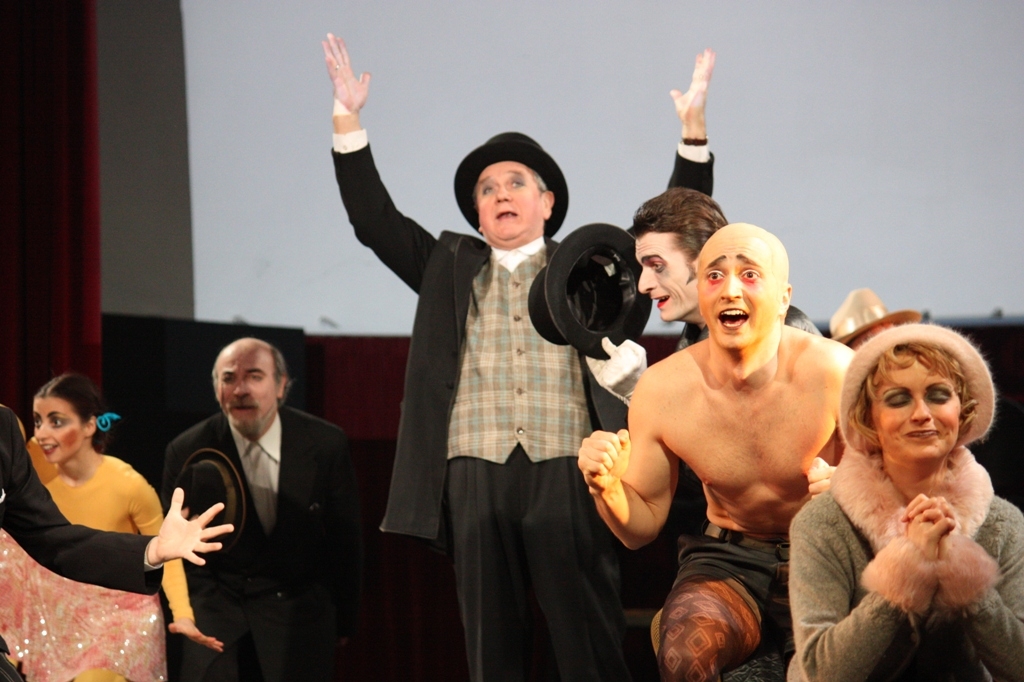
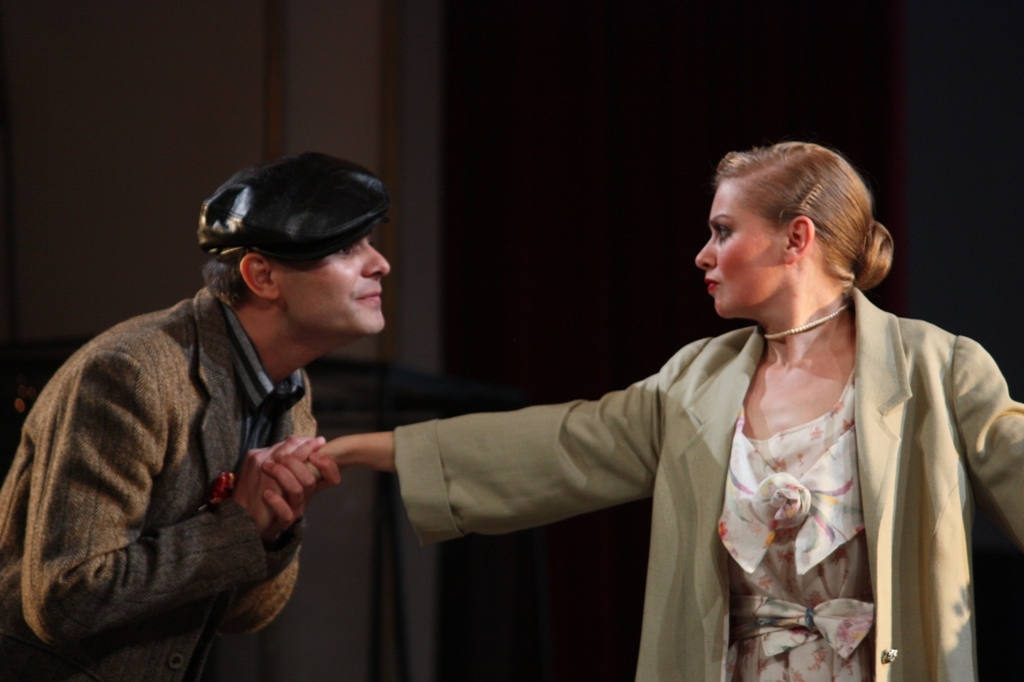
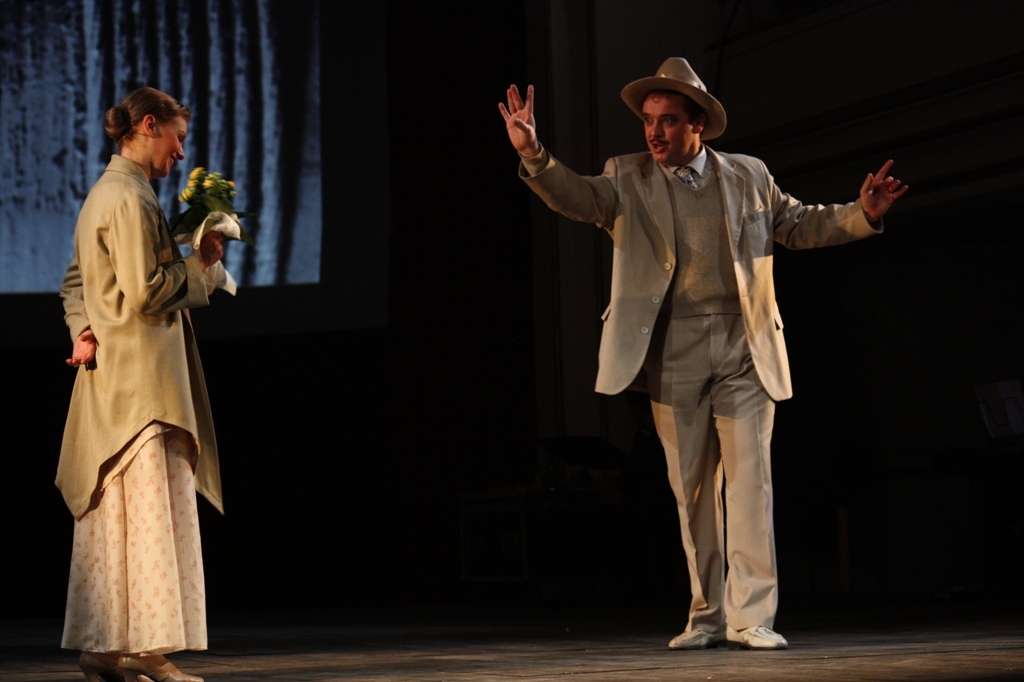




Cast of characters:
Sziámi ikrek:
Gavriş Ramona
Director:
0:
0:
0:
0:
Premier: 2009.02.22