
Performances / Szigligeti Company / 2026-2027
Leo Tolstoy
Anna Karenina
Translated by:: Attila Fekete
"Zoe Anghel-Stanca adapted Tolstoy’s world-famous novel into a dramatized version, for which she also served as director.
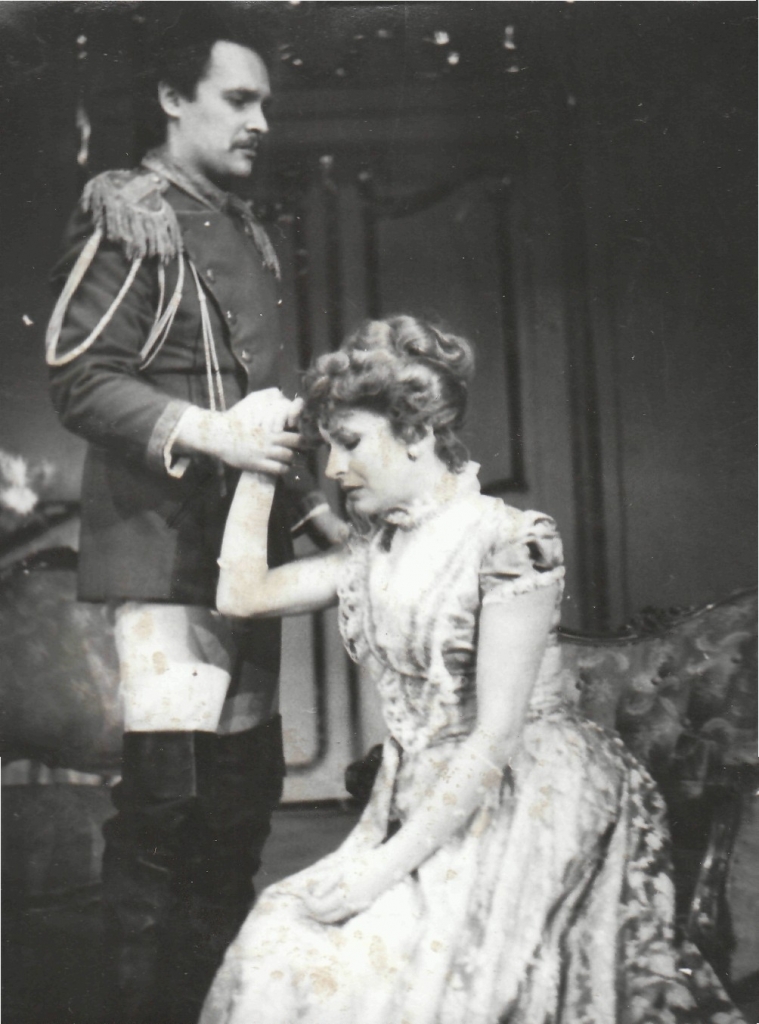
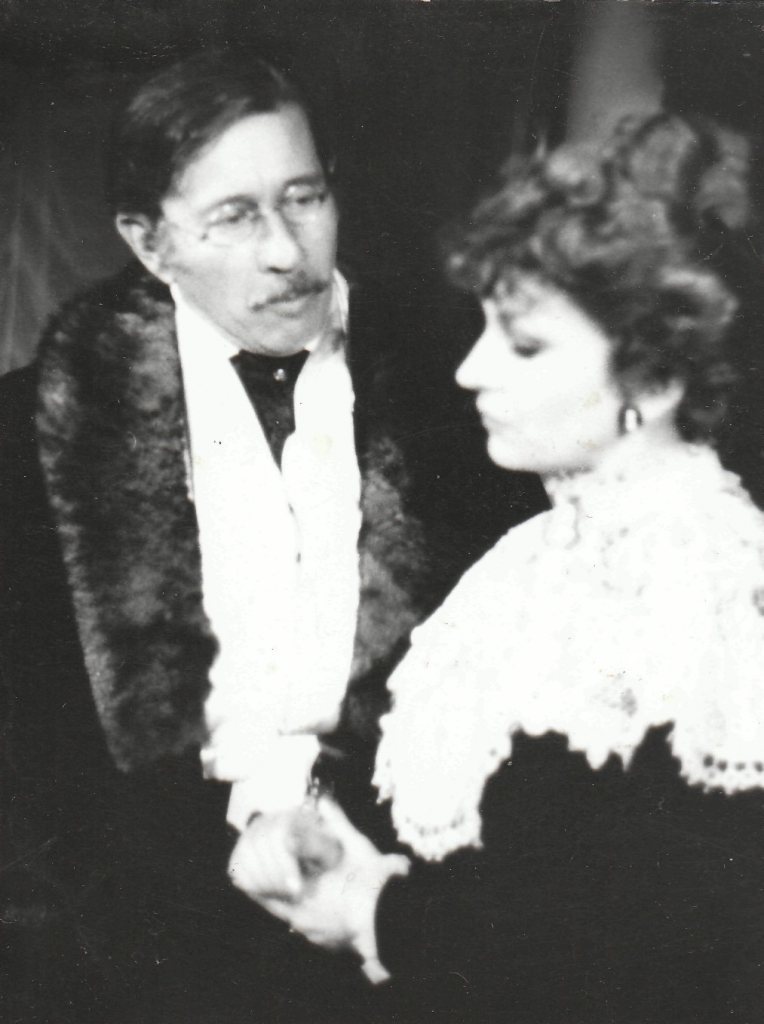
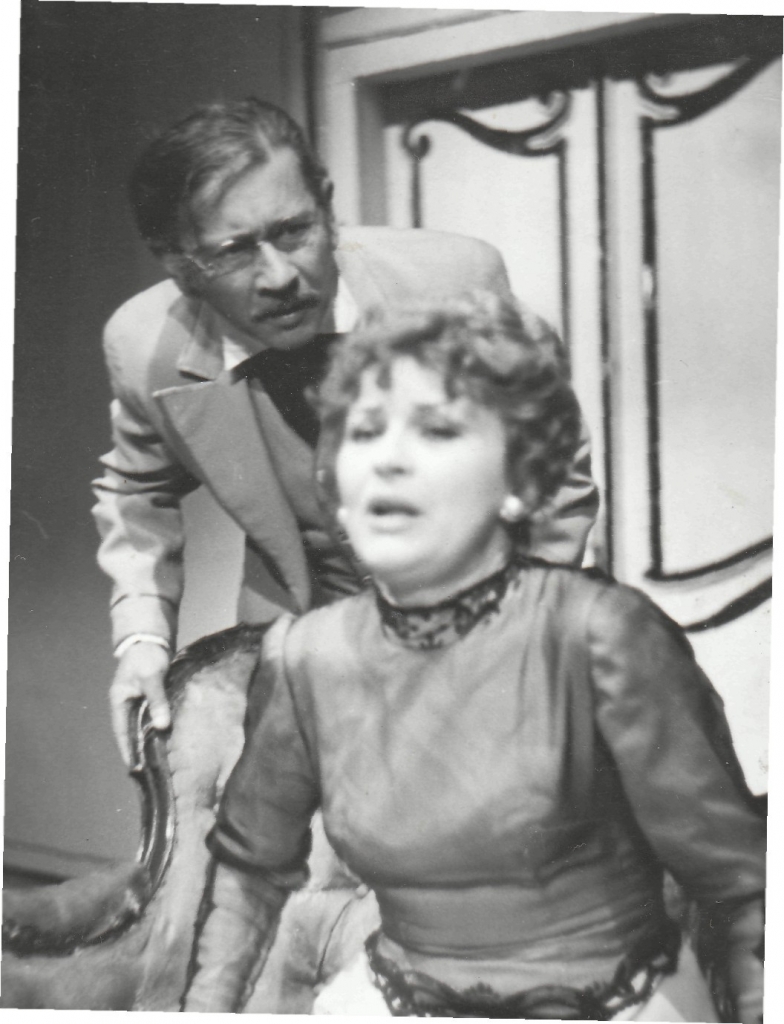
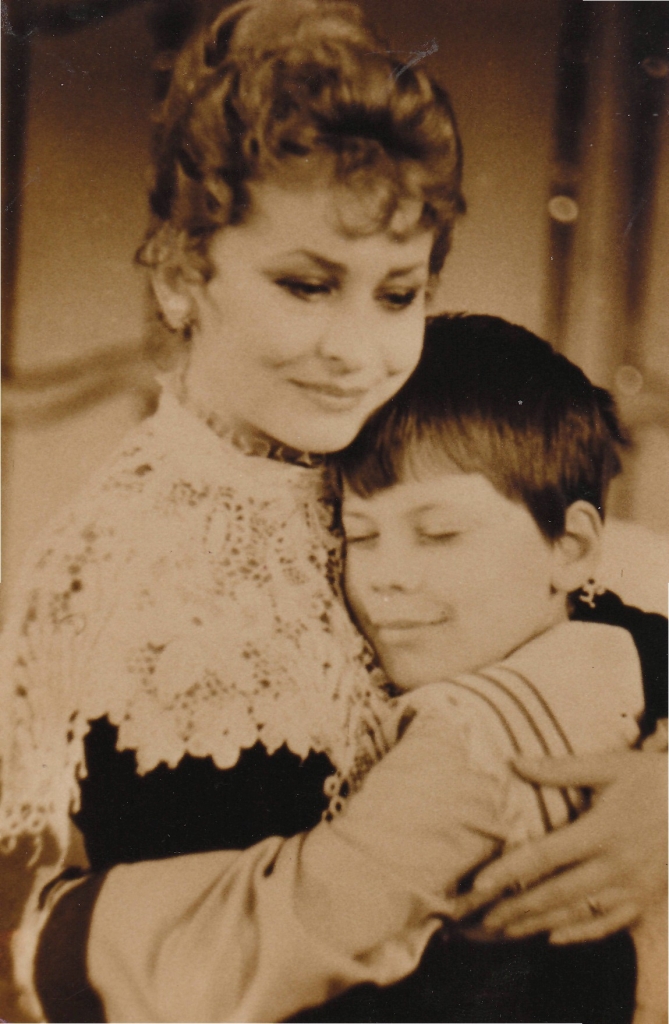
Two young people, a man and a woman, meet in the higher echelons of the late 19th-century’s Russian society. Both are beautiful and possess an immense yearning for love: Alexei Vronsky and Anna Karenina. Alexei, a professional officer, is a straightforward, honorable man who appreciates clear situations. Anna, the wife of a high-ranking government official, lives in a double bind: on one hand, by her immense love for her son, Seryozha, and on the other, by the prejudices of her time, which enslave her. The fate of these two individuals already holds the seed of their tragic separation at the moment they meet: Anna throws herself under a train, committing suicide, and Alexei, after losing the woman he loves, faces the possibility of imminent death by volunteering for the war in Serbia. What are the reasons that drive these two people toward their tragic end?
Why is Anna unable to fulfill her destiny at the side of the man she loves?
If she divorces, she would lose her son, on whom she has lavished all her love over eight years in a ‘forced marriage.’ The entire society admires the elderly Karenin, as no one knows the truth within their marriage. For Anna, her love for Seryozha is more than natural maternal affection—this feeling gave meaning to her young years; yet her love for Vronsky bursts forth with elemental force and is at least as strong as the former. And she cannot give up either…” (Thoughts from the Director)
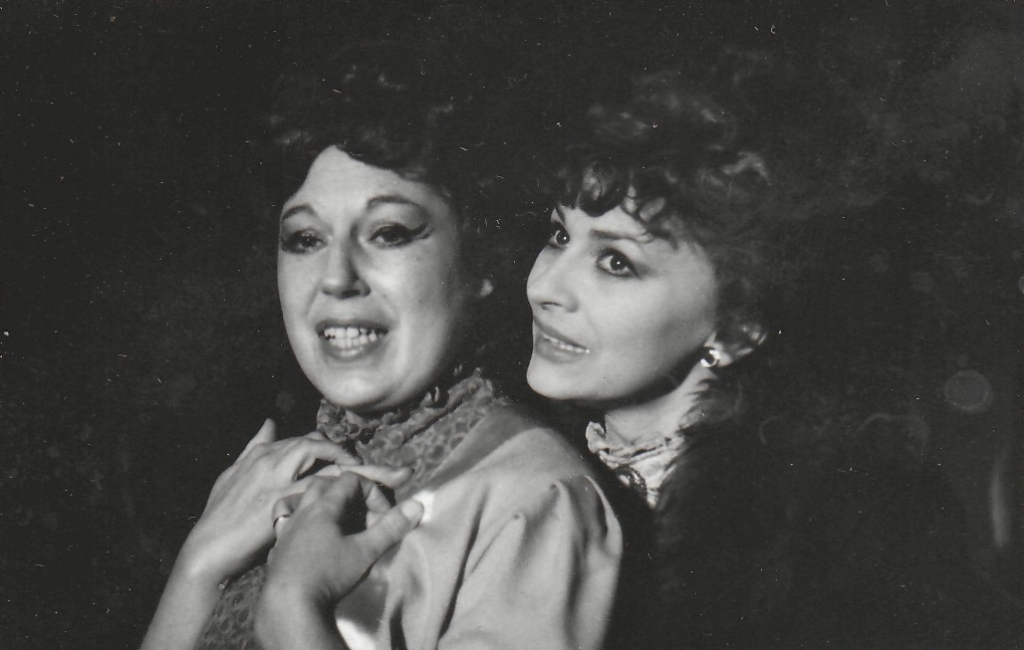
“The stage adaptation strings together epic moments, focusing scenes on events rich in social and emotional significance. The drama’s storyline is structured to largely align with the novel’s key junctions… Zoe Anghel-Stanca’s production is conceived in a strictly realistic, classically scaled manner. Yet it is far from conventional. Its suggestiveness, authenticity, and even modernity are underscored by internal rhymes, associative emotional undertones coursing through the scenes, psychological emphases, interconnected allusions, and the fine representation of visual parallels…” (Katalin Metz, Vörös Zászló)
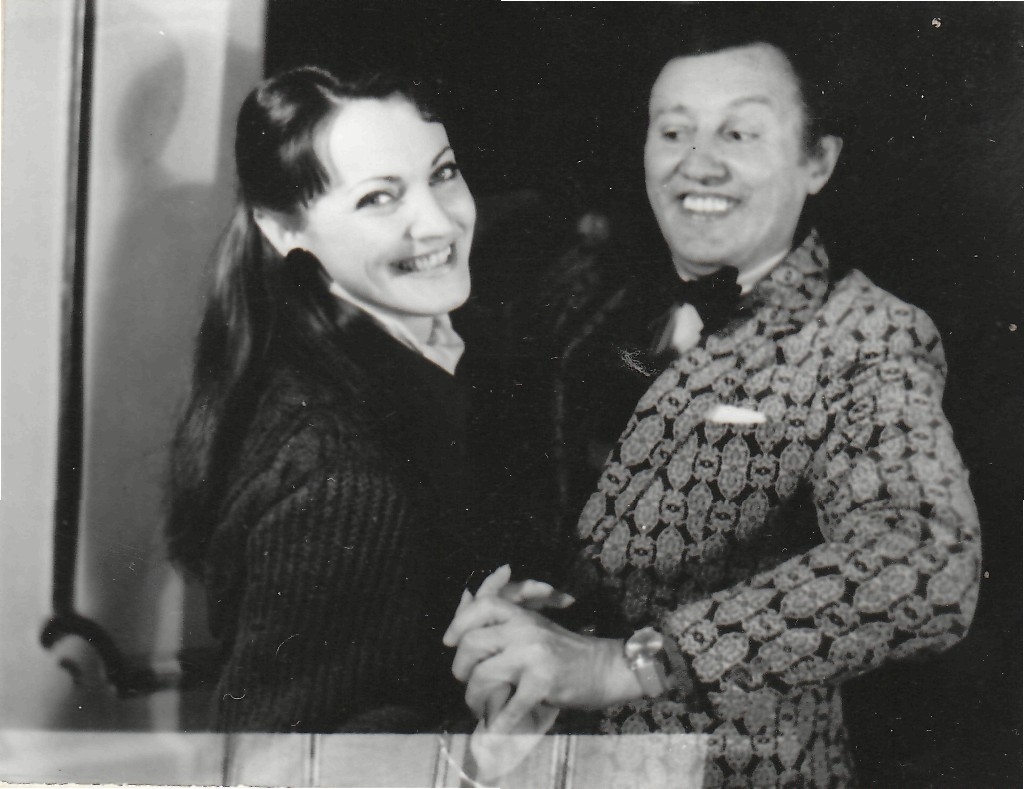
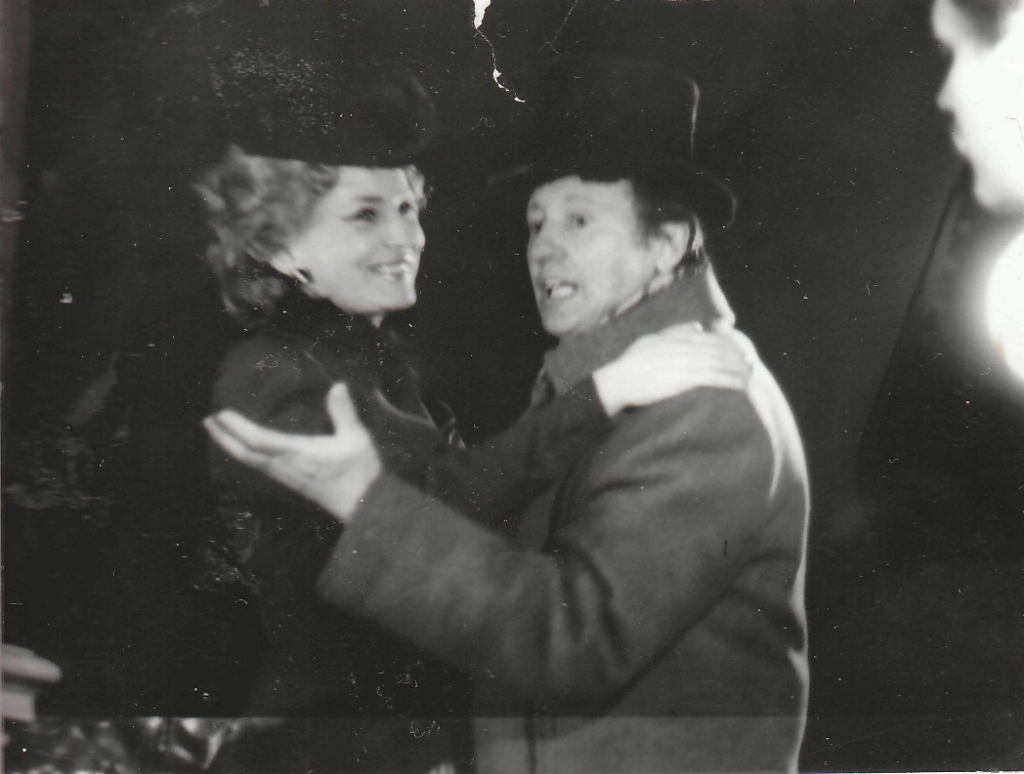
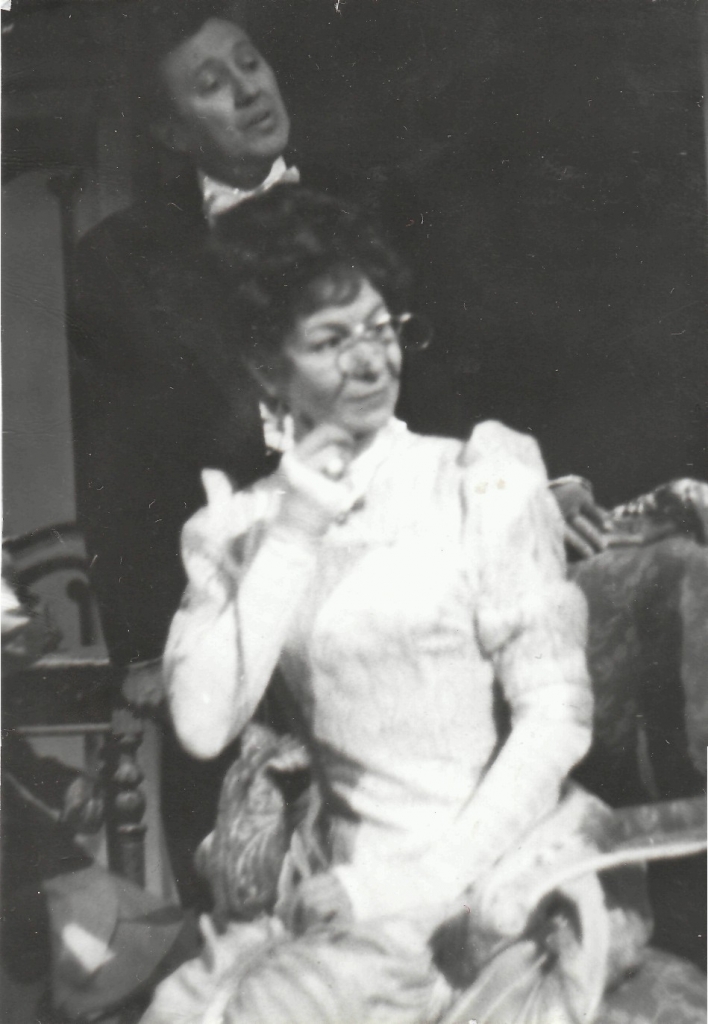
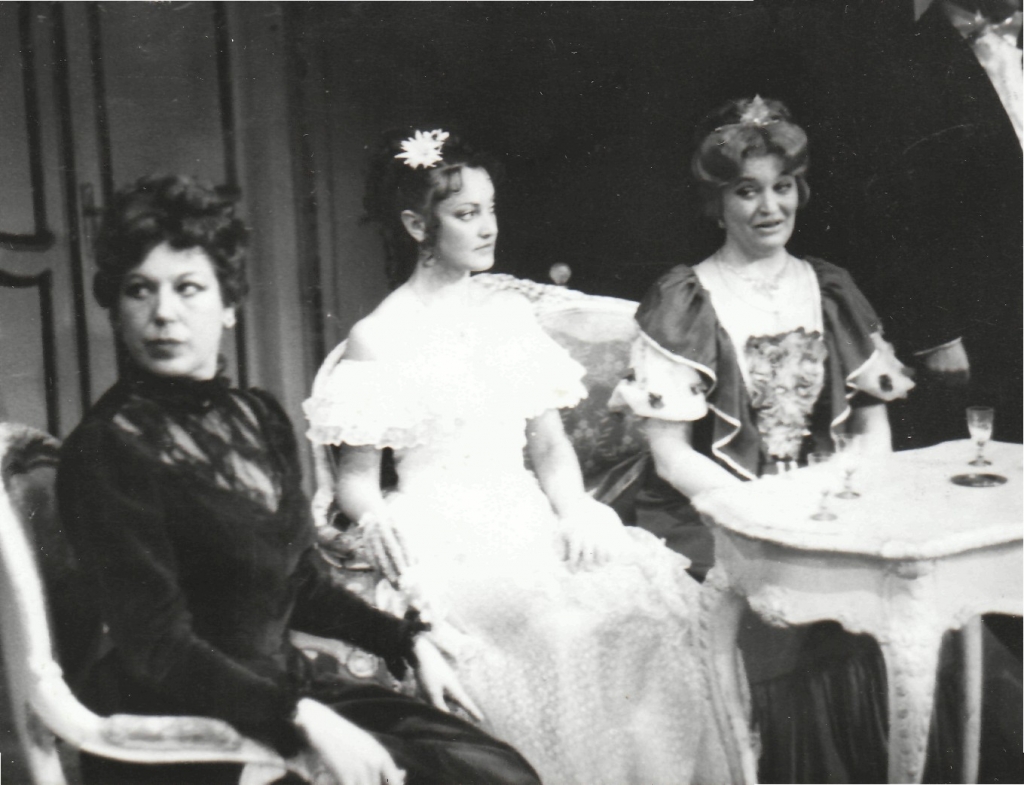

Cast of characters:
0:
0:
0: