
Performances / Szigligeti Company / 2026-2027
Jaroslav Hašek
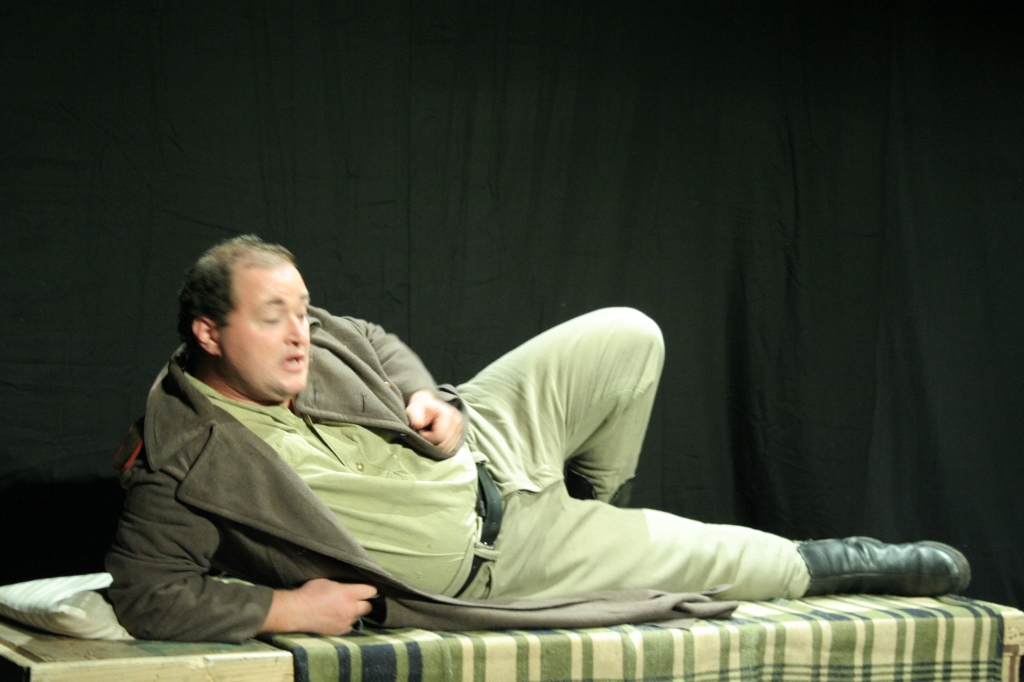
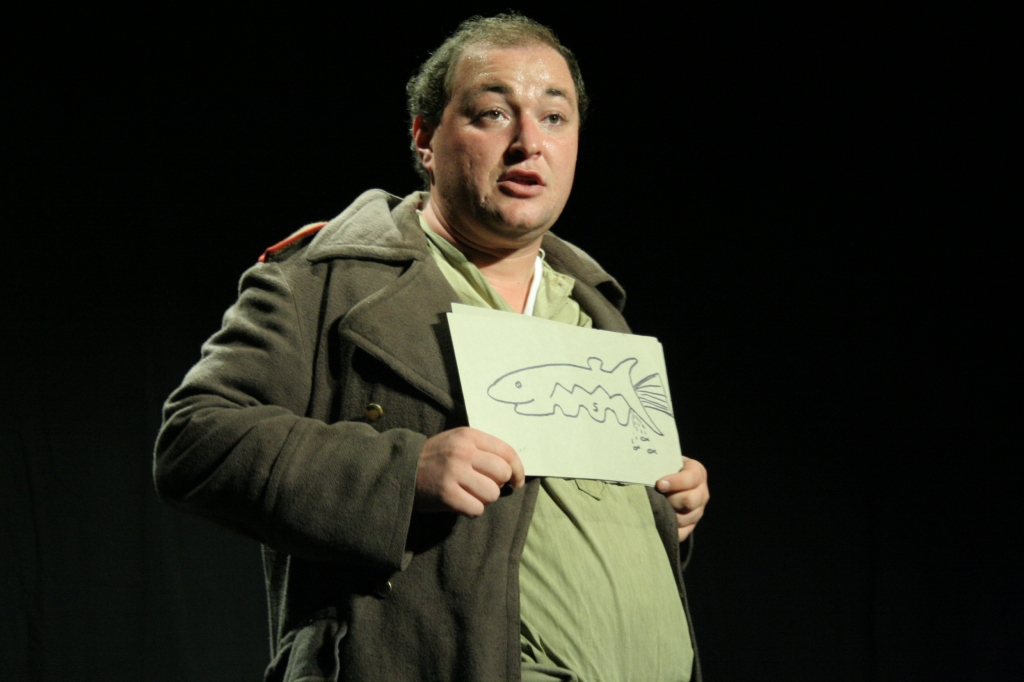
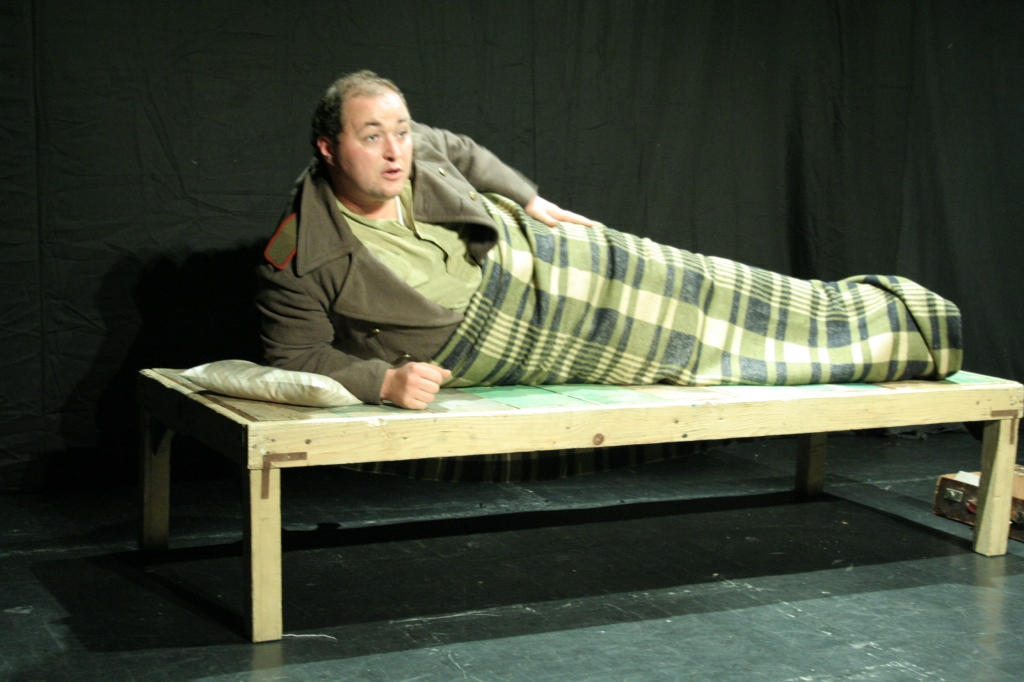
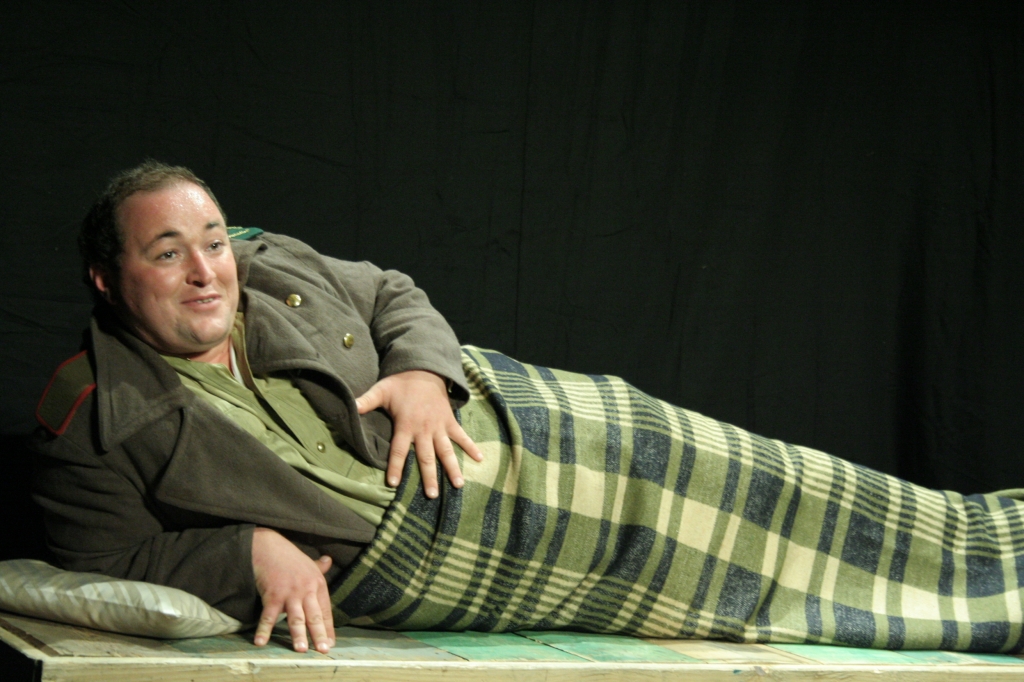
The Good Soldier Švejk
Translated by:: Ádám Réz
Jaroslav Hašek (1883-1923) created one of the greatest masterpieces of non-literary literature. He wrote partly about his own adventurous life in this novel, which is a comic epic and tells the story of a hero who views the world of the ruling class from the outside, from below; he has nothing to do with this world, does not recognize its laws, and sees only enemies in its various representatives, whom he must defeat, deceive, outwit, and mislead. Ha¹ek accumulated so much suffering at a very young age that he could hardly have fought against it other than through the means of satire. The rebellious, but introverted, exceptionally sensitive young writer naturally chose satire as his genre from his very first attempts at prose. Satire is always a source of satisfaction for the writer: the oppressed, the humiliated, the slaves, and the condemned find strength in laughter to endure their undeserved situation.
Hašek was not quite 40 when he died. The loose ending of the novel was put together by a writer friend of his named Vanek. By the time it was published, however, Hašek was already world-famous, the greatest humorist and satirist in Czech literature. His work is an indelible caricature of the entire world war and the Austro-Hungarian army within it. Several people continued the story, several dramatised it, and Bertolt Brecht wrote a late sequel entitled Svejk in World War II.
Many readers are more familiar with Svejk than with his creator, the Czech novelist Jaroslav Hašek. But Czech literature is still primarily represented in world literature by him. He created the immortal character of Svejk, which was not a parody of his changing lifestyle. While he still had the strength, he began to write to overcome his financial worries, distributing his novel in serialised form, selling it secretly in Prague's cafés and pubs. He also wrote the preface himself: "Great times call for great men. There are modest, unrecognised heroes (...) Today, walking the streets of Prague, you may encounter a battered man who played a significant role in the history of our times, and he will never know about it. (...) I love this brave soldier, Svejk, very much, and by publishing his World War adventures, I am convinced that you will all welcome this modest, unknown hero into your hearts."
The Good Soldier Švejk: a conscious revolutionary, a simple son of the people, a cunning rascal, a wise clown, a brilliant fool, or a simple-minded oaf? He really cannot be classified as any of these types. He is simply a “peaceful troublemaker” who talks and smiles incessantly, but he has to be like this to outsmart the powers that manipulate him, despite his vulnerability.
Cast of characters:
0: